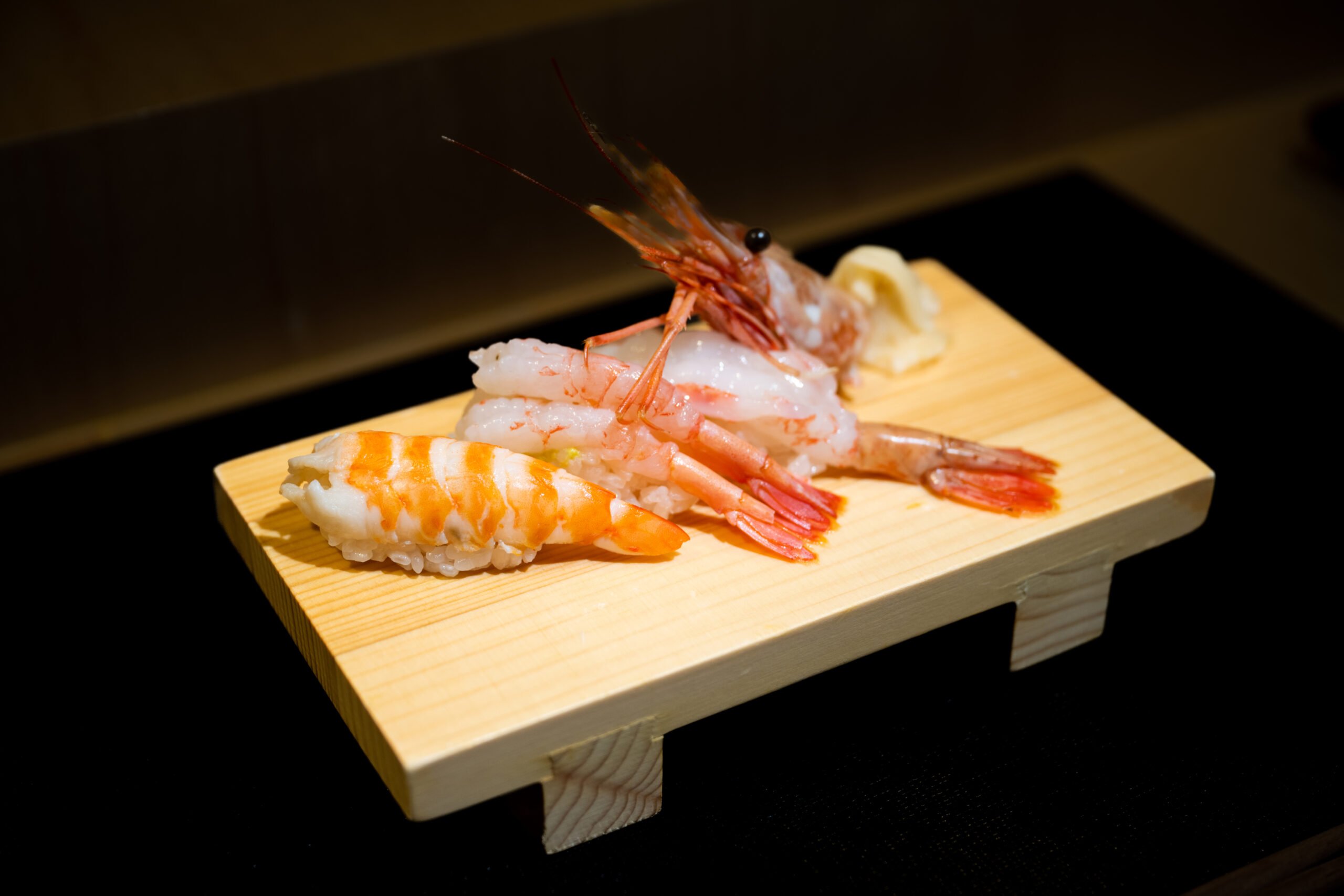
Sushi may look simple at first glance. A small portion of rice, a slice of fish, maybe a bit of seaweed — that’s it, right? But anyone who has ever watched a skilled sushi chef at work knows there’s much more happening behind the scenes. Sushi is one of those dishes where simplicity actually requires incredible precision, patience, and years of training.
At restaurants like Lost in Tokyo, sushi is treated as an art form rather than just another item on the menu. Every piece is carefully crafted to balance flavor, texture, and presentation. It’s a process that takes dedication and attention to detail, and once you understand the effort involved, you begin to appreciate every bite even more.
The Secret Is in the Rice
Surprisingly, sushi rice is often considered the most important part of sushi. Many people assume the fish is the star, but experienced chefs know that the rice sets the entire foundation for the dish.
Sushi rice is seasoned with a delicate mixture of vinegar, sugar, and salt. The proportions have to be just right to create the perfect flavor balance. Too much vinegar and the rice becomes overpowering. Too little and it loses the characteristic taste that defines sushi.
Texture also matters. The rice must be soft enough to hold together but not sticky to the point that it feels heavy. Temperature is equally important — sushi rice is traditionally served slightly warm so it contrasts beautifully with the cool freshness of the fish.
When you take a bite of sushi at Lost in Tokyo, that perfect texture and flavor balance is the result of careful preparation.
Choosing the Right Fish
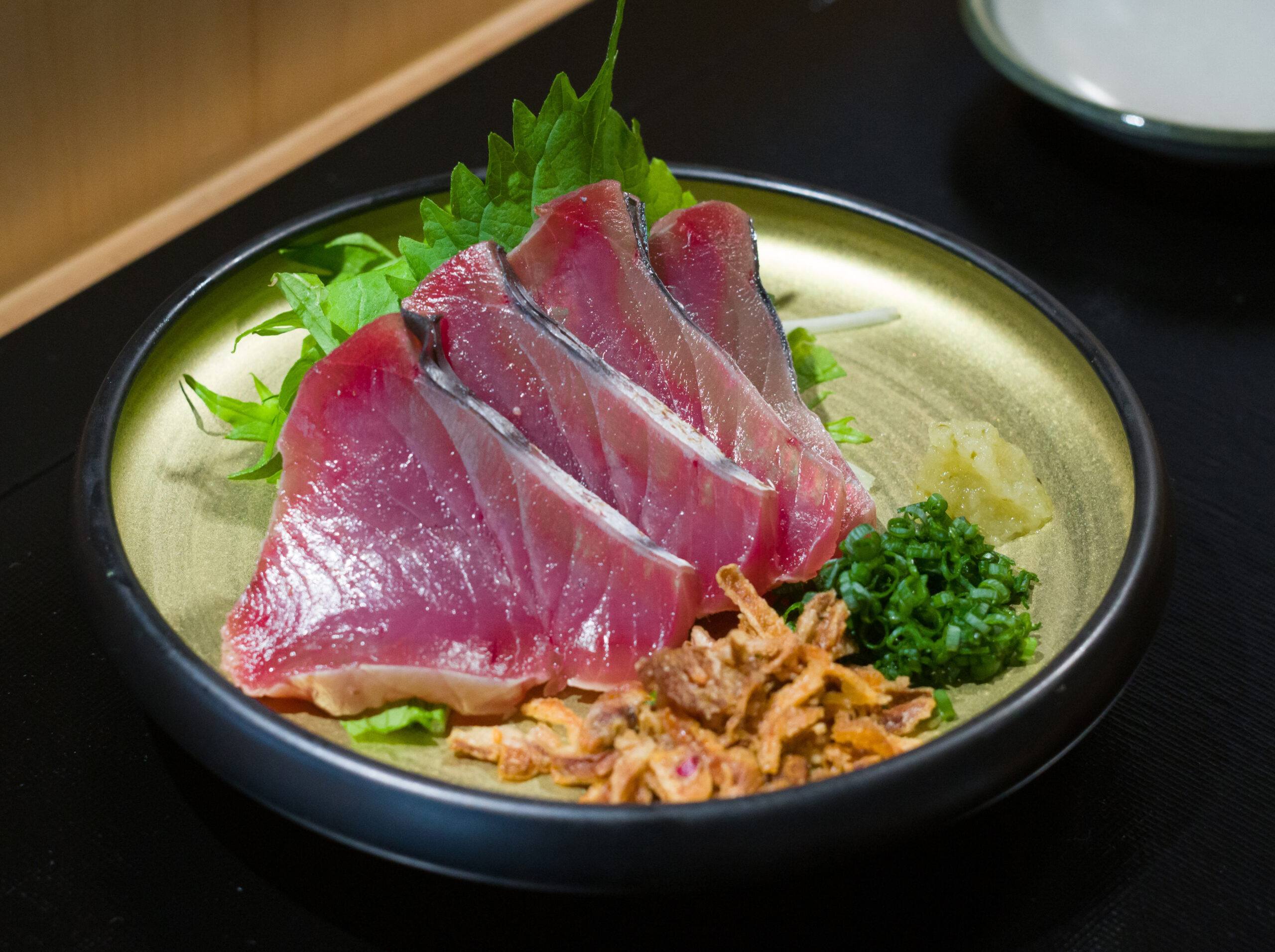
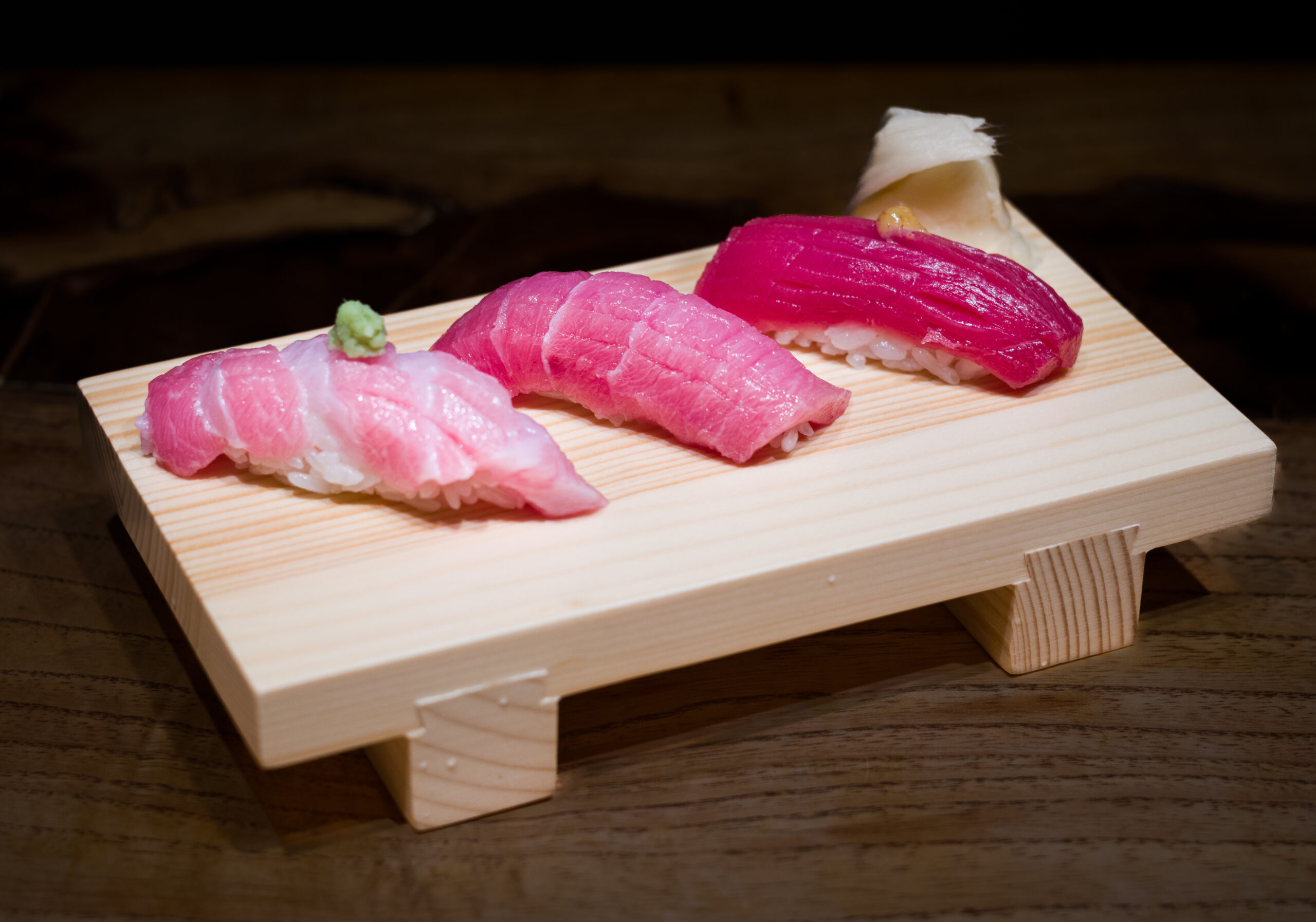
Another key element of sushi is the quality of the fish. Freshness is everything. High-quality seafood has a clean taste and delicate texture that simply can’t be replicated with lower-quality ingredients.
Chefs carefully select fish based on freshness, flavor, and even the time of year. Some types of fish taste better during certain seasons, which is why many sushi menus change throughout the year.
This focus on premium ingredients is what separates exceptional sushi restaurants from average ones.
Knife Skills That Take Years to Master
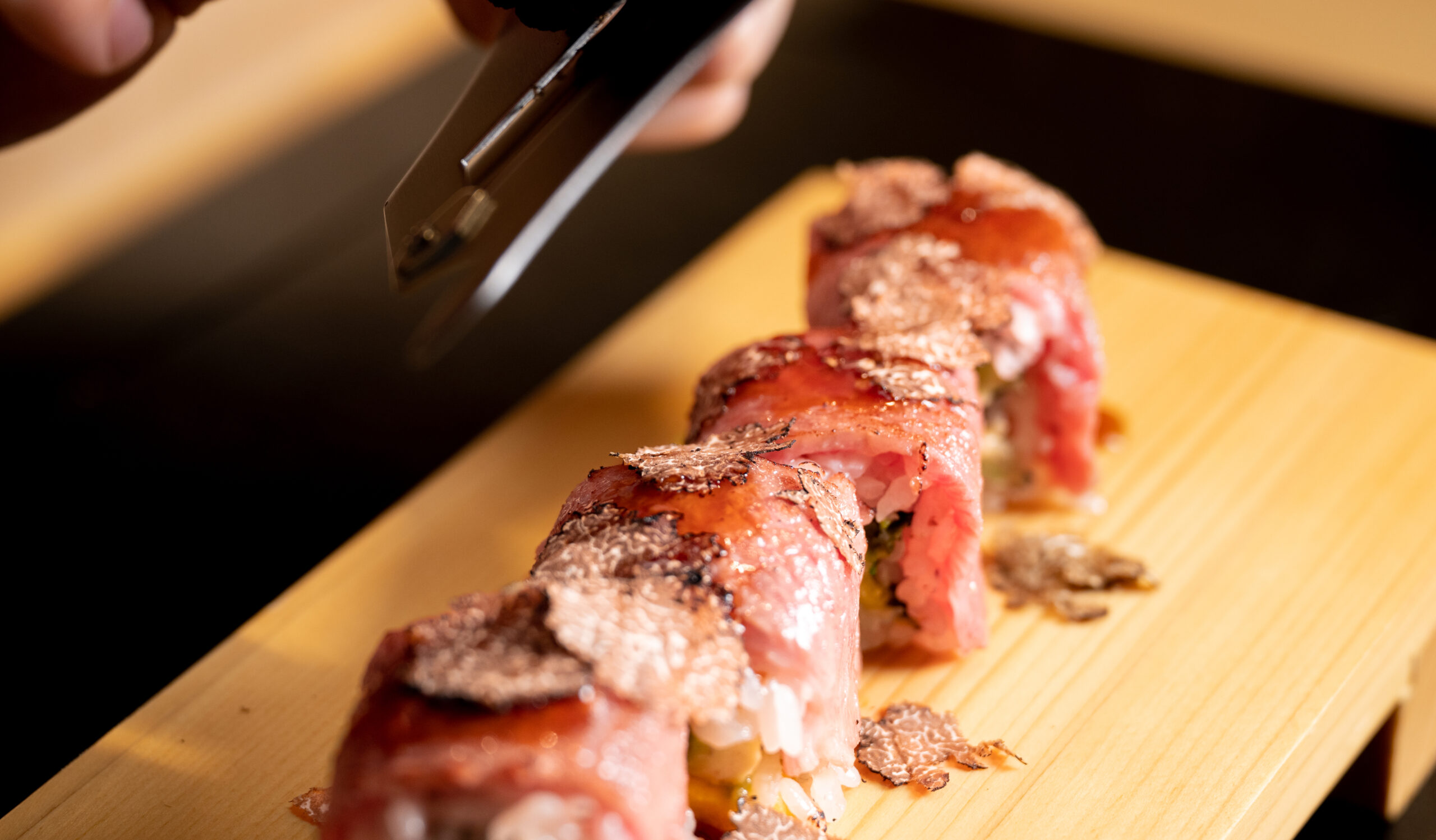
One of the most fascinating things about sushi preparation is the precision involved in slicing fish. The angle of the cut, the thickness of the slice, and even the direction of the knife can affect the texture of the final piece.
Sushi chefs train for years to master these techniques. A single incorrect cut can change how the fish feels when you bite into it.
Watching a sushi chef work is almost like watching a performance. Every movement is deliberate, smooth, and practiced.
Presentation That Feels Like Art
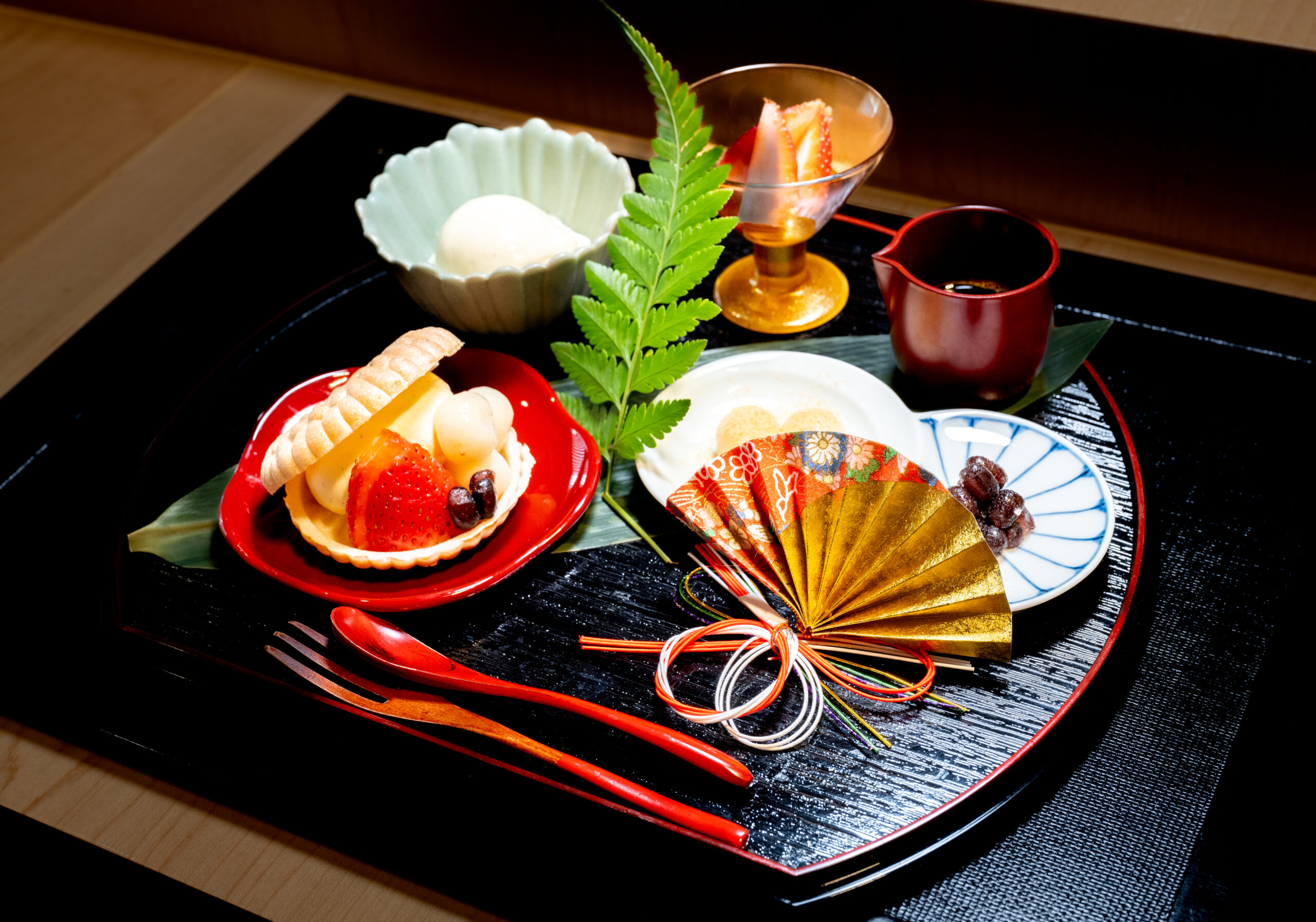
Another thing that sets sushi apart from many other cuisines is presentation. In Japanese culinary culture, food should look as beautiful as it tastes.
At Lost in Tokyo, dishes are arranged carefully so that colors, shapes, and textures complement one another. A plate of sushi might include vibrant orange salmon, deep red tuna, bright green wasabi, and delicate garnishes.
The result is a dish that feels visually exciting even before you take your first bite.